Visual comparison guide
DV Lottery Photo Examples: Correct vs Incorrect
Side-by-side examples make visible photo rules easier to understand. Use them as a review guide, then compare your own image with the official Department of State examples before submitting.
Reviewed against U.S. Department of State photo guidance
Correct and incorrect DV photo comparisons
Review the visible differences below before checking your own file. These are educational illustrations, not official government examples.
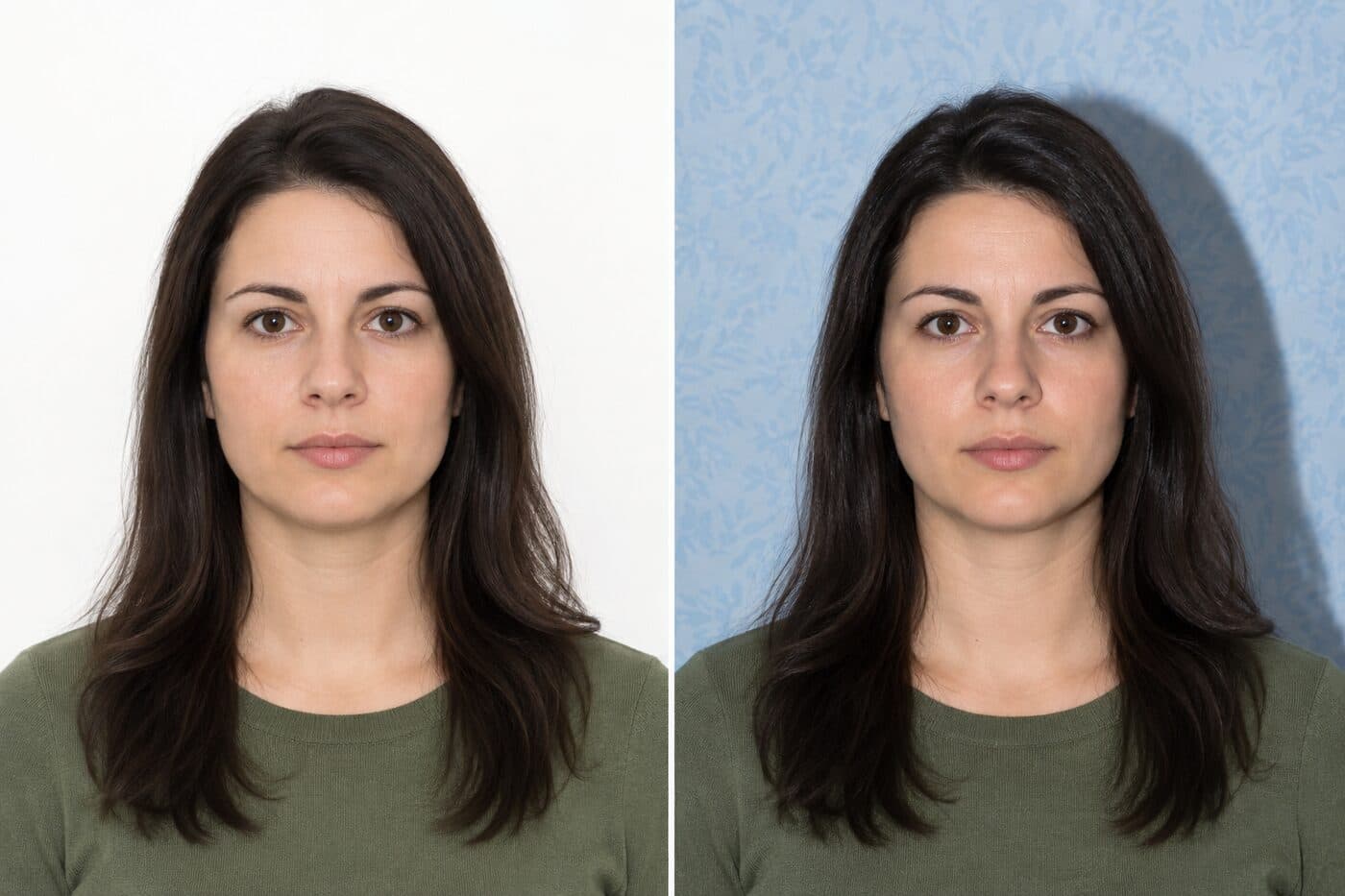
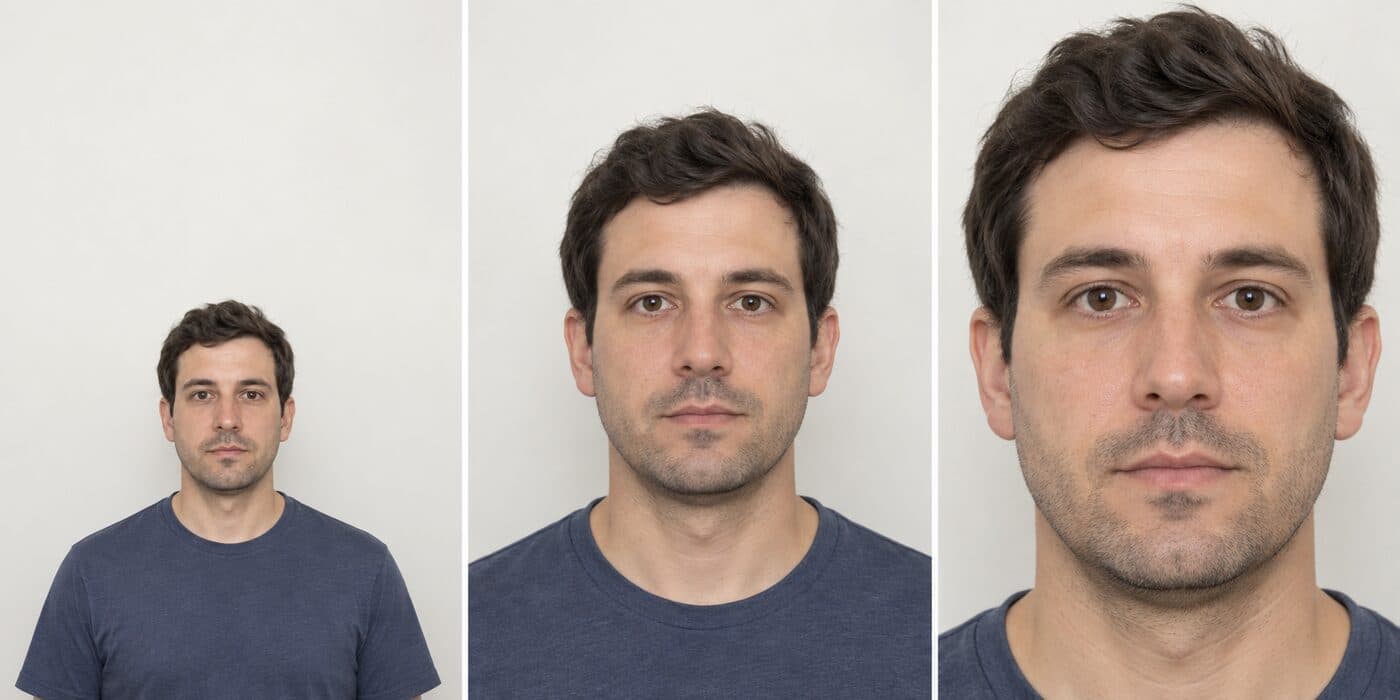
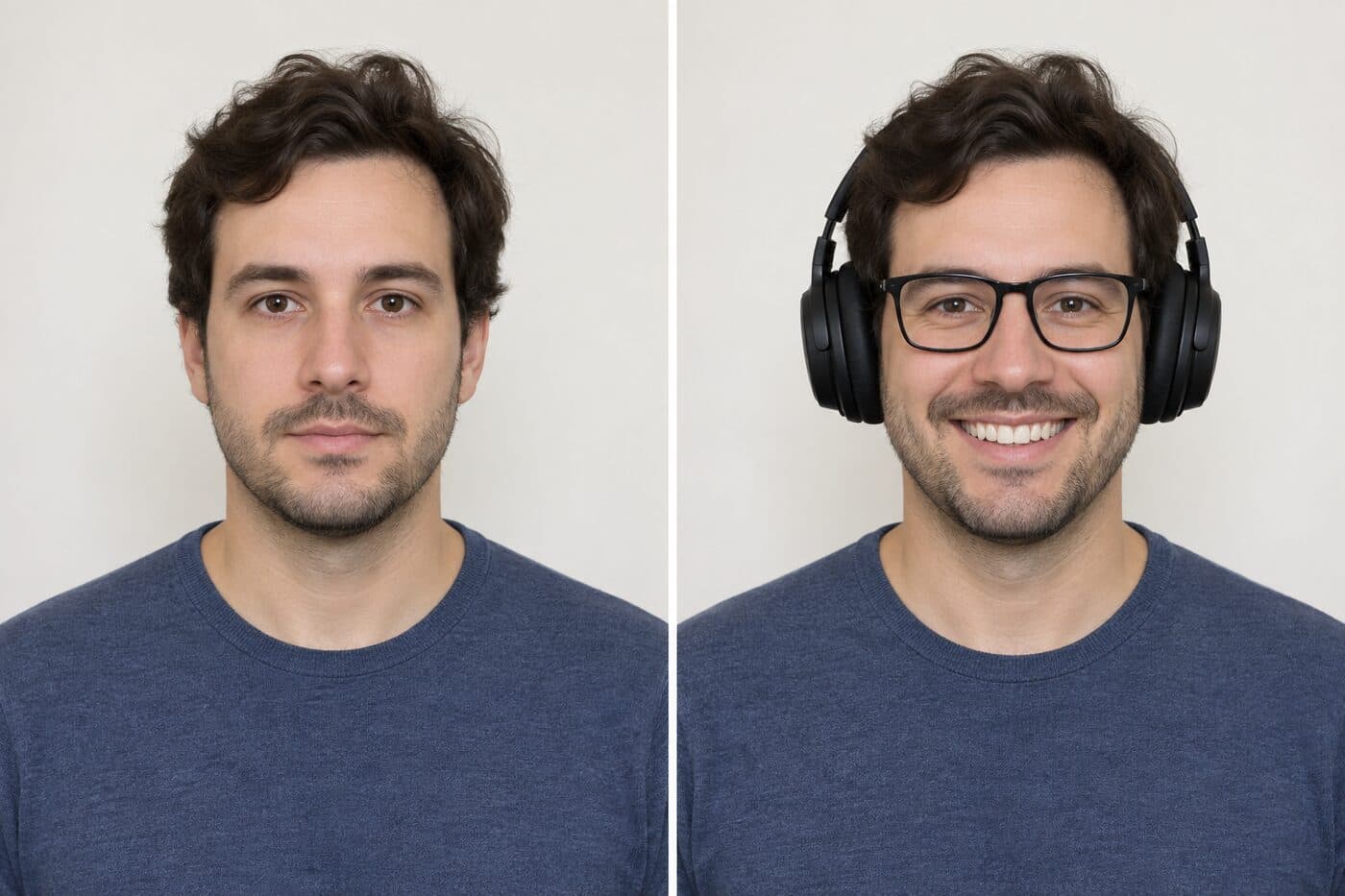
Correct versus incorrect DV photo features
| Feature | Better example | Retake the photo when |
|---|---|---|
| Background | Plain white or off-white and evenly lit | Patterns, objects, color or strong shadows appear |
| Framing | Full head visible within the required ranges | The head is too small, too large or clipped |
| Pose | Direct full-face view at camera level | The head is tilted or turned |
| Expression | Neutral expression with both eyes open | The mouth is exaggeratedly open or eyes are closed |
| Accessories | No eyeglasses or audio devices | Glasses, headphones or wireless devices appear |
| Image treatment | Natural detail with ordinary crop and compression | Filters, retouching or artificial background effects appear |
On smaller screens, swipe horizontally to see every column.
Correct background vs distracting background
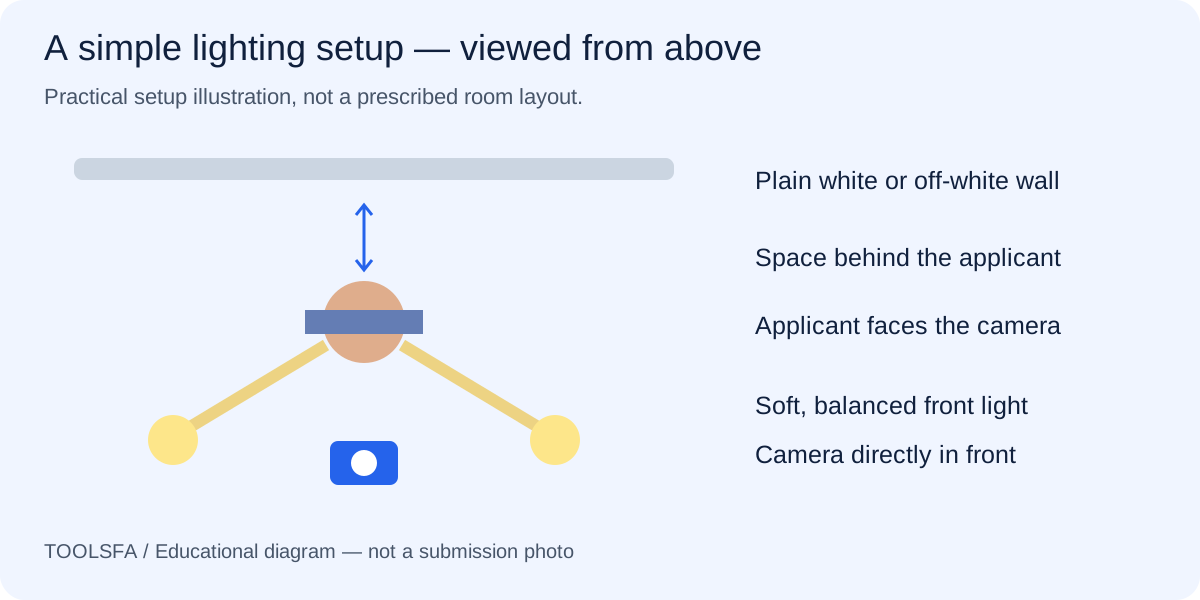
A better example has a plain white or off-white background with no pattern, objects or distinct shadow behind the head. An incorrect example may show a colored wall, door, furniture, texture or a dark outline caused by lighting.
Background brightness alone is not enough. Review consistency around the hair, shoulders and both sides of the face, where shadows and editing artifacts are easiest to notice.
Recreate a clearer setup with the background and lighting guide before comparing the next photograph.
Correct framing vs head too small or too large
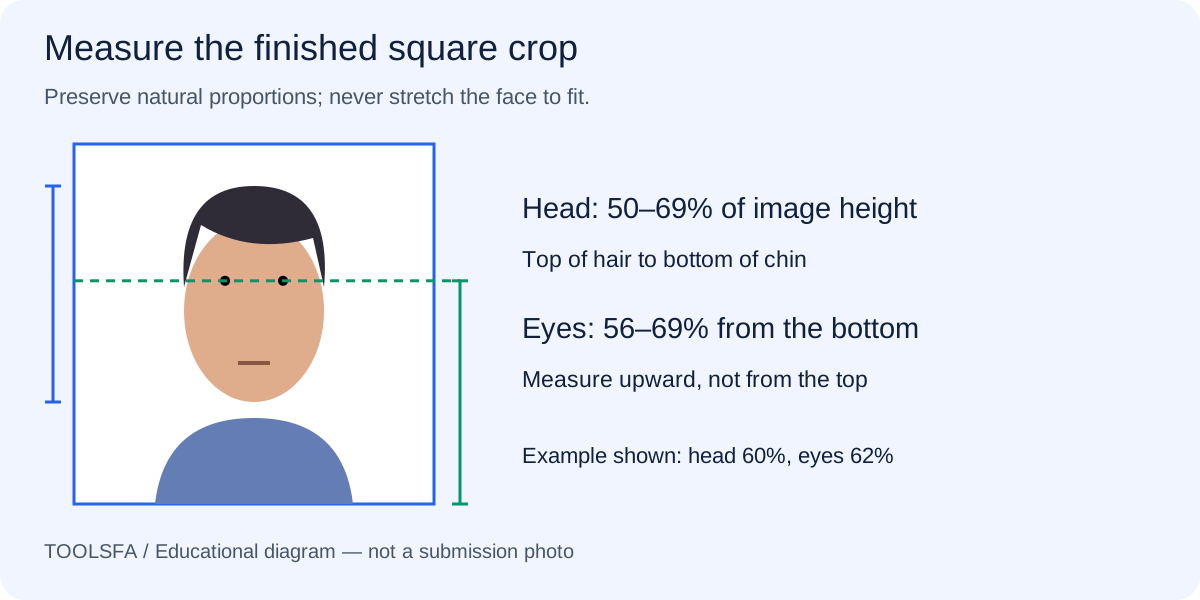
A better example keeps the full head visible and places the chin, crown and eye line within the required composition ranges. A head that fills too little of the square or is cropped too tightly can fail even when the face is centered.
Measure the crown rather than the top of the hair alone. Hair volume varies, while composition should be evaluated using the official head-measurement guidance.
Turn a visual comparison into a measurement with the head-size and eye-position guide.
Neutral expression vs unsuitable expression
A better example shows both eyes open and a neutral expression while facing directly forward. Avoid exaggerated smiles, an open mouth, closed eyes, a tilted head or a face turned away from the camera.
Natural phone photo vs processed portrait
A better phone example retains natural facial detail, sharp hair edges and an unaltered background. An unsuitable example may show beauty-filter smoothing, artificial blur, haloing around hair or a digitally replaced background.
If you cannot confidently explain how an edit affected the image, return to the original and restrict changes to crop, resize and reasonable JPEG compression—or take a new photo.
If processing hides the original detail, read the blur and pixelation guide to decide whether a retake is needed.
Use examples as guidance, not approval
An example cannot cover every applicant, hairstyle, religious head covering, skin tone, camera or lighting setup. Treat visual comparisons as a checklist, not a promise that a government reviewer will accept the image.
The ToolsFA checker can estimate measurable items and highlight possible issues. The U.S. Department of State remains the final authority, so review its official examples and the instructions for the applicable DV program.
Important: The illustrations on ToolsFA are educational examples and are not official government photographs.
Official sources
Always check the instructions for the program year in which you apply. ToolsFA is independent and is not affiliated with the U.S. government.