PDF format guide
PDF vs PDF/A: Which Format Should You Use?
PDF/A is a family of ISO standards intended for long-term preservation. It limits features that depend on external resources and requires information that helps future software reproduce the document.
Published September 13, 2026 · Practical guidance from ToolsFA
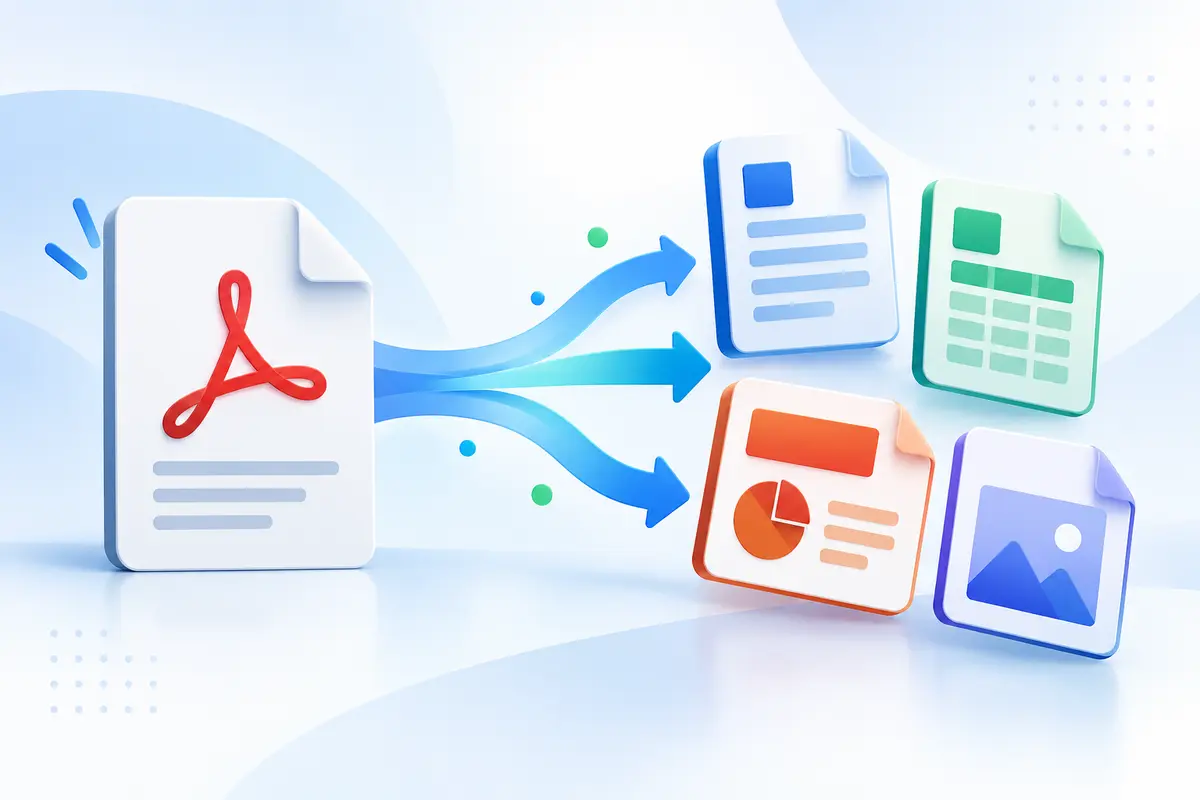
Ordinary PDF and PDF/A compared
| Feature | Ordinary PDF | PDF/A |
|---|---|---|
| Primary purpose | General viewing, sharing and workflows | Long-term preservation |
| Fonts | May rely on unavailable resources | Conformance generally requires embedded font information |
| Encryption | Can be password-protected | Not allowed in PDF/A conformance |
| External dependencies | May be used | Restricted to support future reproduction |
| Validation | Usually opened and visually checked | Must be checked against a specific PDF/A level |
On smaller screens, swipe horizontally to see every column.
What PDF/A is designed to solve
An ordinary PDF can depend on fonts, color information or interactive features that may not behave the same years later. PDF/A aims to make the file more self-contained and predictable for preservation.
There are several PDF/A parts and conformance levels. The correct choice depends on the organization receiving the file and whether it needs features such as tags, attachments or exact visual reproduction.
Flattening is not the same as PDF/A
Turning every page into an image may create a stable-looking copy, but it can remove selectable text, accessibility information, links and document structure. It also does not automatically add every item required by a PDF/A standard.
Likewise, changing a filename or adding metadata does not prove conformance. The internal file must satisfy the selected standard and pass an appropriate validator.
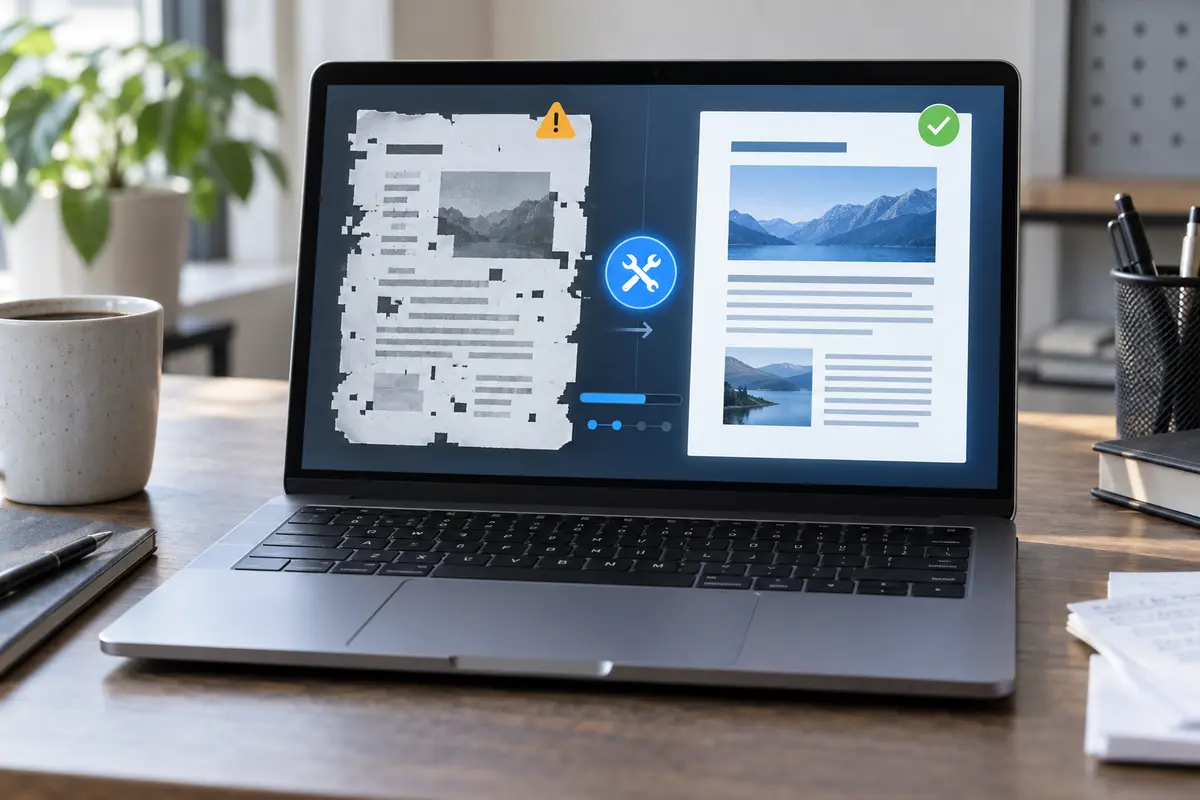
When to use each format
Use ordinary PDF for routine sharing, collaboration, signing, forms and documents that may still change. Use PDF/A when a records-management policy, court, archive, government process or client specification names it.
If no requirement exists, preserve the best-quality source and an ordinary PDF rather than converting repeatedly without a clear purpose.
- Ask which PDF/A part and level is required.
- Keep the source document and original PDF.
- Use a dedicated validator for formal compliance.
- Store the validation result with important records.
Prepare and verify an archive copy
Review the visual pages, searchable text, fonts, metadata and accessibility needs before conversion. Afterward, open the file in more than one viewer and run the validator required by the receiving organization.
ToolsFA's archival preparation option can make a flattened, metadata-filled copy for convenience, but it is not a claim of certified PDF/A compliance.
Important: When PDF/A is mandatory, the receiving organization's specification and validator determine acceptance.